Learning Through Job Shadowing: A Spring Visit to Bratislava
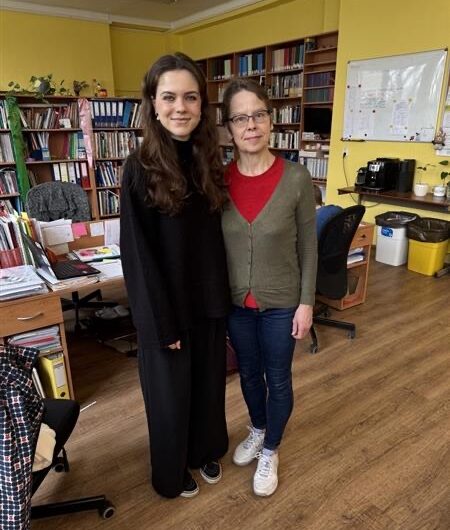
Having previously attended Erasmus+ teacher training courses, I decided to try job shadowing this time. The 1st Independent High School in Bratislava (hereinafter referred to as 1SG) was recommended by a colleague of mine. Although I did not take the idea very seriously at first, I eventually found myself in the chilly and slightly sleepy city on the Danube.
The 1st private grammar school and secondary school for students with general intellectual talent was established in 1991, with three co-founders still employed there. The Private Elementary School for Students with General Intellectual Giftedness was opened in 2009. Currently, the school comprises three different private study options: a nine-year elementary school, an eight-year grammar school, and a four-year grammar school. The last two share the same facilities, while the first is located in an adjacent building.
The school’s admission requirements are strict. The assessment of giftedness for admission to the first grade of the secondary school for students with general intellectual ability is conducted at a counselling centre. Identifying intellectual giftedness involves not only evaluating a child’s intellectual level in relation to their age (e.g. early reading and mathematical skills already evident in preschool) but also assessing their maturity, motivation, memory, social skills, creativity, concentration, and intellectual curiosity. The admission procedure for both the eight-year and four-year study programmes is based on written entrance examinations and school reports from previous studies. The competition is intense.
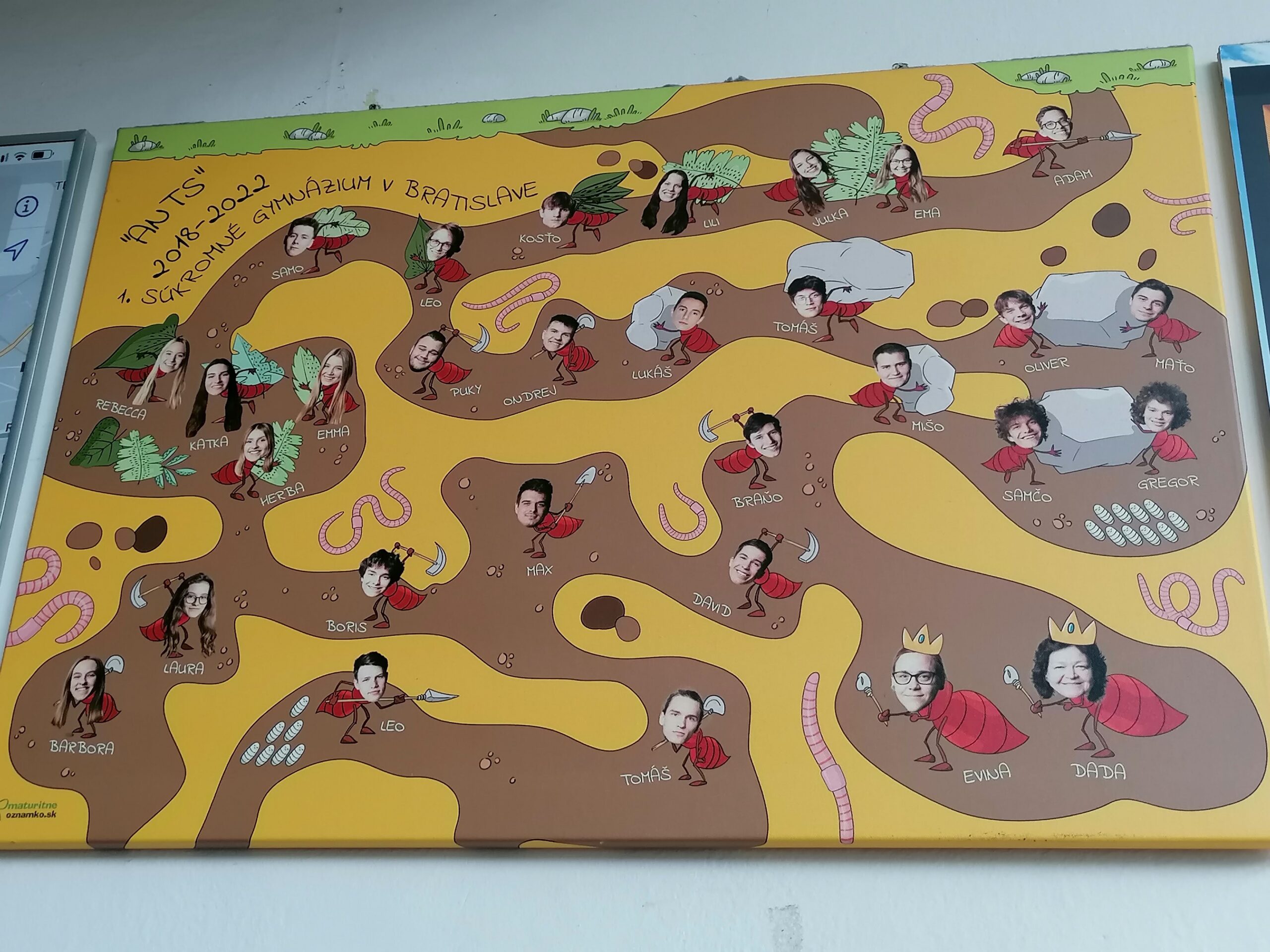
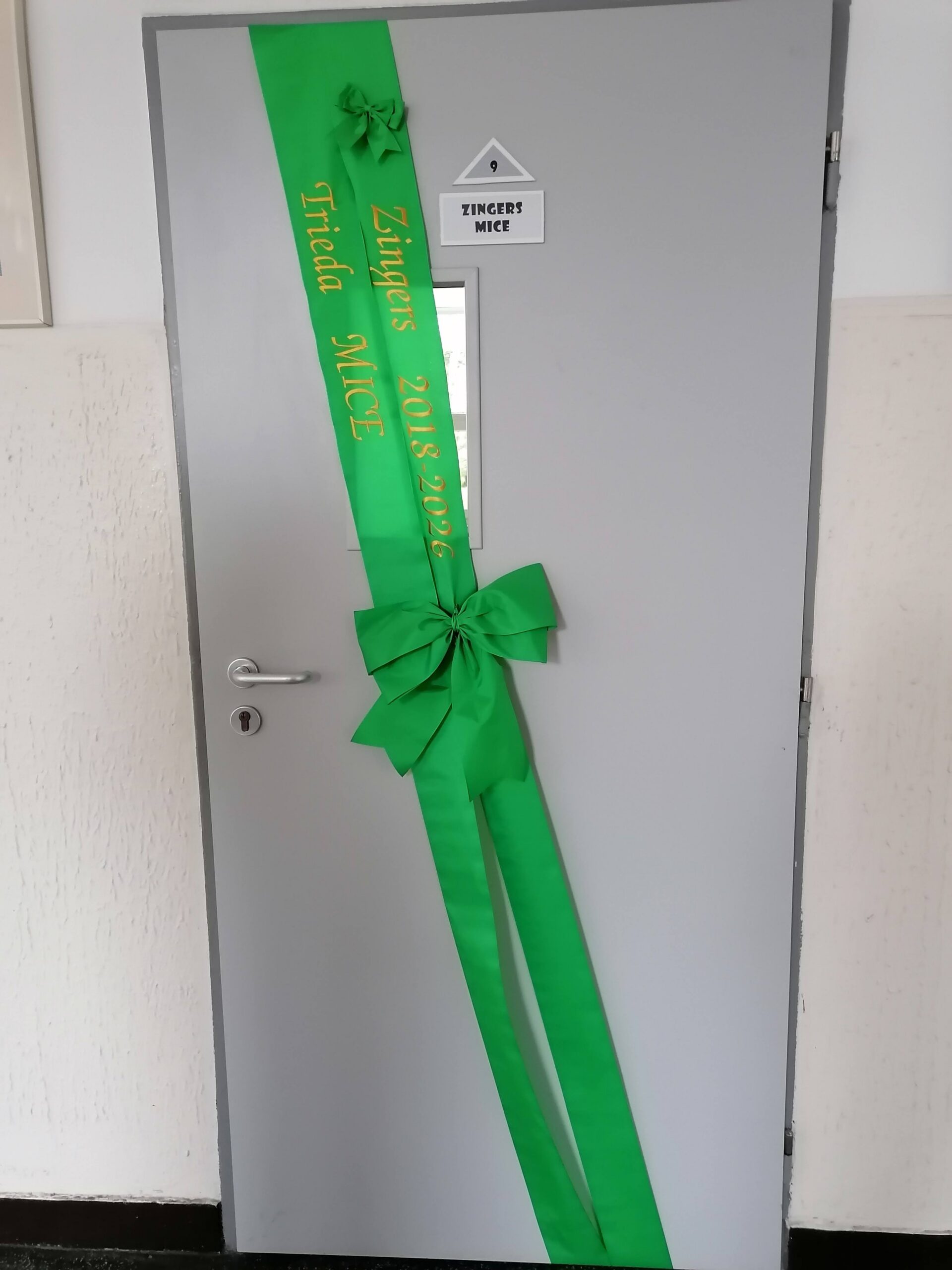
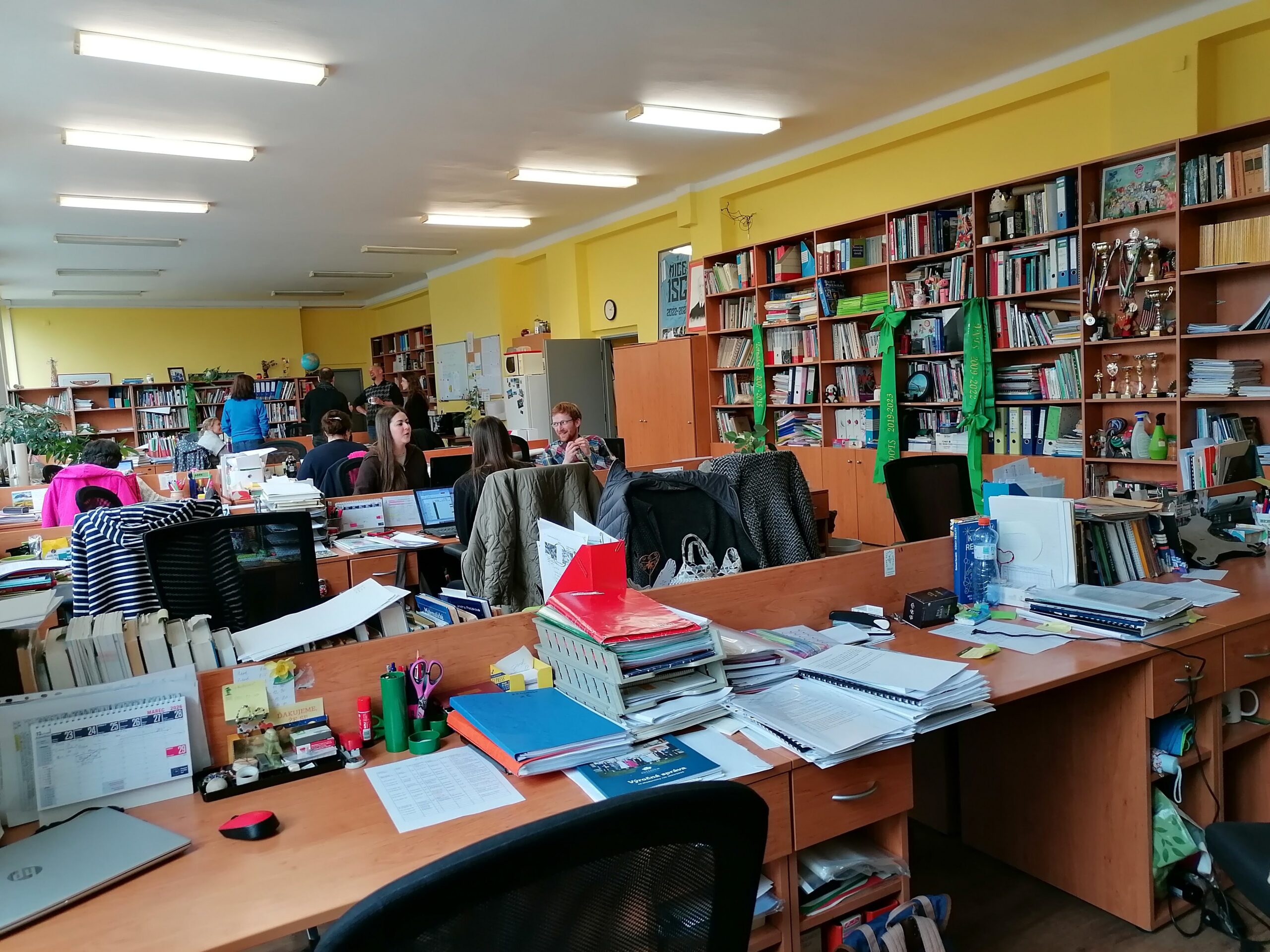
In most cases, each year group consists of a single class. In both primary and eight-year grammar school, each class is assigned a name (e.g. ‘Anchors’, ‘Jewels’, ‘Skippers’). In the four-year grammar school, however, only the first two years have named classes. Upon graduation, posters representing the cohort are displayed on the school walls.
Undoubtedly, this is a school of opportunities. In today’s fast-changing world, factual knowledge or expertise in a single field is no longer sufficient. Instead, flexibility and creativity, essential prerequisites for the future, are placed at the heart of the learning process. The school’s primary aim is to develop key life competencies, such as critical thinking, the confidence to ask questions, the ability to argue effectively, teamwork, and efficient planning, as well as strong IT skills.
These competencies are fostered from an early age and extend beyond individual subjects. They are developed through a variety of learning methods, including project-based learning, experiential learning, case studies, discussions with experts, and a balance of independent and group work, along with open-ended tasks. There is a strong emphasis on intrinsic motivation and collaboration. The school also places considerable importance on non-formal education and extracurricular activities. Learning is reinforced through museum visits and a wide range of excursions (including eco-excursions), where students apply their knowledge in real-life and foreign language settings.
1SG is engaged in several international projects and activities. The prestigious DofE (the Duke of Edinburgh Award) programme focuses on students’ independence and responsibility, helping them set goals for personal growth in different areas. By receiving recognition of their abilities, school-leavers gain a stronger advantage in the admissions process at prestigious universities. An impressive 90% of students continue their studies at universities, mostly abroad.
During their high school studies, a significant number of students are offered an international education through the Centre for Talented Youth, which enables gifted and motivated students to take online courses at American universities and high schools. This initiative has led to 1SG being officially recognised as a Partner School of the Centre for Talented Youth, distinguishing it as one of the few schools in Slovakia to hold this status.
The Erasmus+ Skills Development Fund has enabled many teachers and students to participate in courses and activities abroad. The Pan-European Educational Project is based on week-long exchanges where students from seven European high schools meet and work on a pre-selected topic in the areas of culture, history, and science, complemented by the International Theatre Project organised by one of the schools. The primary aim is to gain international experience, establish contacts, and explore other cultures. No less important is encouraging students’ creativity, networking, language and IT skills and strengthening empathy in young people.
During the final two years of study, the main focus is on preparation for the Maturita school-leaving examination. Students follow a structured programme in which they can shape their academic profile according to their future study plans. While core subjects such as Slovak, mathematics, foreign languages, and physical education remain compulsory, students choose additional subjects and seminars aligned with their intended university pathway. These may include a natural science profile (e.g. biology, chemistry, physics), a social science profile (e.g. history, social science, philosophy), or a mathematical-informatics profile. Students can also choose from different seminar pathways, although timetable constraints may limit such combinations.
In the last two years of study, students from both the eight-year and four-year programmes (forms 7–8 and years 3–4 respectively) are taught together in the jointly selected modules. In English, students taught by the same teacher attend regular lessons alongside optional seminar classes, such as Business English or Humanities English, held in double periods. English is optional in the final year, although most students continue with it. The Maturita examination, which consists of written papers in March and oral exams in May, includes Slovak, a foreign language at B2 level, and two additional subjects chosen according to students’ academic focus. Overall, the programme emphasises long-term goal setting, informed subject choice, and systematic preparation for further study.
During my job shadowing week at 1SG, I observed a wide variety of English and CLIL lessons across different year groups, which offered valuable insight into teaching approaches combining traditional and contemporary practices effectively. I attended both 45-minute and 90-minute lessons, including regular English classes, seminars, and CLIL sessions, which allowed me to compare different teaching styles and learning environments for students mostly in the 15–19 age range.
A particularly striking aspect is the strong emphasis on project-based and experiential learning. In CLIL lessons, students are engaged in higher-order thinking tasks such as evaluating historical events, debating contemporary issues (e.g. the use of AI in education), conducting SWOT analyses, and presenting research findings. These activities require students to think critically, justify their opinions, and work collaboratively. In the regular language classroom, a variety of effective teaching methods and approaches are employed to support active learning and student engagement.
Teachers implement authentic materials, e.g. magazines, to enhance relevance, as well as literature, creative writing, role plays, and real-life communication tasks to develop practical language skills in meaningful contexts. I was exposed to effective strategies for vocabulary acquisition and consolidation, pronunciation correction, and formative assessment, including peer feedback, structured reflective tasks, and continuous teacher–student interaction. Lessons incorporate efficient recall and summarising strategies, alongside an emphasis on reasoned argumentation, with students expected to justify their opinions. Such practices demonstrate how key competencies can be developed across different subjects and learning contexts.
Another important area is the integration of digital tools and technologies into classroom practice. Teachers make effective use of online resources, videos, and interactive tools such as Kahoot to increase engagement and support different learning styles. At the same time, students are encouraged to reflect critically on the role of AI, e.g. in discussions about its advantages, limitations, and ethical use in education. This balanced approach highlight how digital tools can enhance learning while still promoting independent thinking. Overall, the experience provided valuable insights into student-centred teaching and the effective use of ICT, while also encouraging reflection on how these approaches can be adapted to support personalised learning and improve student engagement in different educational contexts.
The school fosters a supportive and low-pressure atmosphere where students are encouraged to communicate freely with both their teachers and peers, collaborate, and view mistakes as a natural part of the learning process. Students are supported in active participation and feel confident to experiment with language.
Teachers act as facilitators and trusted authorities, guiding students through interactive activities, including pair and group work, presentations, discussions and debates, and world cafe-style activities. Language learning is frequently organised in a circle format, fostering interaction and a sense of equality between the teacher and students. These approaches clearly support meaningful learning and knowledge acquisition. Collaborative, cross-curricular learning is evident and forms an essential part of the everyday learning process.
Beyond the classroom, relationships within the school community stand out as a key strength. Interaction among teachers is notably warm and collegial, creating an atmosphere often described as a “big family”, shaped by the leadership of the principal and vice-principal. This positive environment extends to teacher–student relationships, which are characterised by mutual respect and openness. In line with private school standards, strong parental involvement reinforces a shared commitment to students’ academic success and overall development.
Despite the many strengths and the admirable, enviable aspects of both learning and teaching practices outlined above, it is important to acknowledge the advantages of our own physical learning environment, such as renovated facilities, well-equipped classrooms, and modern digital equipment. Furthermore, from a teacher’s perspective, having a dedicated classroom, rather than moving between rooms with teaching materials, is particularly beneficial for maintaining organisation and lesson continuity. At times, however, the level of freedom and flexibility seemed excessive.
Erasmus job shadowing proves to be an eye-opening experience even for experienced teachers, offering valuable insights into different educational approaches and encouraging reflection on one’s own teaching practice. Such experiences contribute to both professional growth and renewed motivation.
* Töövarjutamine toimus Eesti Inglise Keele Õpetajate Seltsi rahastuse kaudu.